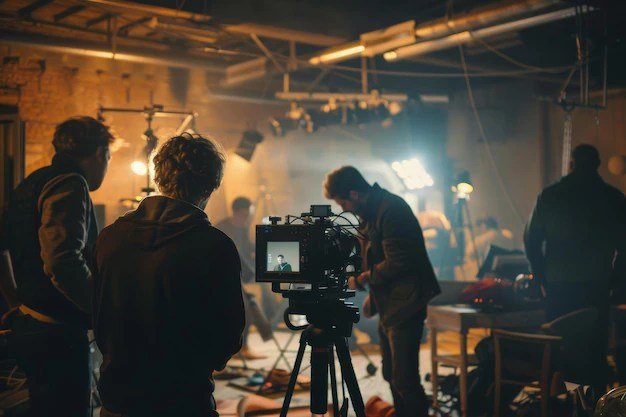
Directing and Staging High School Musicals With Practical Steps For Success
The curtain rises, the lights hit their mark, and a wave of pure, unadulterated magic washes over the audience. This isn't just about a performance; it's about the transformative journey of Directing & Staging High School Musicals. It's where students find their voice, build lifelong friendships, and create memories that echo long after the final bow. But bringing that vision to life—from the first note to the last standing ovation—is a monumental undertaking. It demands passion, precision, and a rock-solid plan.
Drawing on nearly 50 years of experience supporting educational music programs, we understand the unique challenges and immense rewards of high school theatre. This guide isn't just a manual; it's your roadmap to creating an unforgettable experience that elevates your students and energizes your entire school community.
At a Glance: Your Blueprint for High School Musical Success
- Plan Ahead: Embrace a comprehensive 12-month production timeline.
- Build Your Crew: An effective production team is your secret weapon.
- Pick Smart: Select a musical that fits your students' abilities and your school's resources.
- Prioritize Inclusion: Create opportunities for every student, on stage and off.
- Measure Growth: Success isn't just applause; it's about student development and a sustainable program.
- Start Small, Dream Big: Assess resources and set realistic goals before diving in.
The Enduring Magic of High School Musicals: Why It Matters So Much
Think back to your own school days. Chances are, you remember the school play or musical – either as a participant, a family member in the audience, or simply as a moment that brought the whole school together. High school musicals are more than just extracurricular activities; they're crucibles for character.
For students, participating in a musical develops crucial skills: discipline, teamwork, public speaking, problem-solving, and a profound sense of accomplishment. It builds confidence, fosters creativity, and often, introduces them to a passion that lasts a lifetime. For the school community, it's a vibrant expression of art, a source of shared pride, and a powerful tool for connection. Yes, it's challenging, but the lasting impact makes every late night and every hurdle worth it.
Your 12-Month Blueprint for Musical Success
Building a successful high school musical program isn't a sprint; it's a marathon. A well-structured timeline is your most valuable asset, ensuring you avoid last-minute panic and instead, build momentum towards a polished production. Based on decades of experience, here's a phased approach designed for maximum impact and minimal stress.
Phase 1: Foundation & Foresight (10-12 Months Before Opening Night)
This is where the dream begins to take shape. Your decisions now will ripple through the entire production, so take your time and plan meticulously.
- Musical Selection: The Heart of Your Production
This is perhaps the most critical decision. Don't just pick a show you love; pick one that loves your students and your resources back. Consider: - Vocal Ranges: Do the songs fit your students' current abilities without pushing them too far or too little?
- Thematic Content: Does the story resonate with your school community? Is it age-appropriate and relevant?
- Technical Requirements: Be brutally honest about your budget, stage size, lighting, sound, and costume capabilities. Can your team realistically pull off the necessary effects?
- Cast Size & Flexibility: How many students do you anticipate auditioning? Can the show accommodate a large ensemble, or can roles be double-cast or expanded if needed? For a comprehensive look at popular options, check out our Guide to high school musicals.
- Securing Performance Rights: This is non-negotiable and must be done early. Contact licensing companies (e.g., MTI, Concord Theatricals, Theatrical Rights Worldwide) to check availability and costs. Factor these fees into your budget immediately.
- Assembling Your Core Production Team: You can't do it alone. Start identifying key personnel: music director, stage director, choreographer, technical director, and producer/fundraiser. These are often teachers, skilled parents, or community members.
Phase 2: Laying the Groundwork (6-9 Months Before Opening Night)
With your show selected and rights secured, it's time to build the logistical framework.
- Announce the Production: Generate excitement! Announce the show titles and dates to students, staff, and parents. Start building buzz.
- Create a Detailed Budget and Schedule: This isn't just a wish list; it's a living document. Factor in rights, sets, costumes, props, lights, sound, marketing, pit band, and contingency funds. Map out every rehearsal, tech day, and performance.
- Plan Audition Formats and Materials: Decide what you'll ask students to prepare (monologue, song snippet, dance call). Provide materials well in advance, and make the audition process as supportive as possible.
- Schedule Rehearsal and Performance Venues: Lock in your theatre, rehearsal rooms, and any specialty spaces (e.g., dance studio, scene shop). Confirm availability and secure necessary permits or internal approvals.
Phase 3: Bringing Characters to Life (3-5 Months Before Opening Night)
This is where the creative magic truly begins, as students step into their roles and design elements start to take shape.
- Hold Inclusive Auditions: Ensure a welcoming environment for all students, regardless of experience level. Provide clear feedback where possible, and celebrate participation.
- Cast Roles with Student Development in Mind: While talent is important, also consider who will grow most in a particular role, who needs an opportunity, and how different students will interact to form a cohesive cast. Double-casting can offer more students a chance at principal roles.
- Begin Music Rehearsals with Principal Cast and Chorus: Start with the foundation: the music. Focus on learning notes, rhythms, and initial character interpretation through song. Backing tracks can be invaluable here.
- Start Designing Sets, Costumes, and Technical Elements: Your design teams should be actively conceptualizing, sketching, and sourcing materials. Hold regular meetings to ensure their vision aligns with the overall production.
Phase 4: Weaving the Tapestry (1-2 Months Before Opening Night)
The disparate threads of music, choreography, and dialogue begin to weave together into a cohesive production.
- Combine Separate Elements: This is the phase of "put-togethers." Start running full scenes, integrating music, choreography, and dialogue. Be patient; it will feel clunky at first.
- Run Full Scenes with Technical Elements: Introduce props, crucial set pieces, and basic lighting/sound cues. This helps students get accustomed to working with these elements and allows your tech crew to refine their work.
- Finalize Promotional Materials and Begin Ticket Sales: Your posters, programs, social media graphics, and press releases should be ready. Launch ticket sales, promoting heavily through school channels and local media.
- Conduct Regular Production Meetings: The entire leadership team (director, music director, choreographer, tech director, stage manager) should meet frequently to troubleshoot, coordinate, and ensure everyone is aligned.
Phase 5: Polish & Performance (The Final Month)
The finish line is in sight. This month is dedicated to refining every detail and preparing your students for their moment in the spotlight.
- Hold Technical and Dress Rehearsals: These are your most crucial rehearsals. Tech rehearsals integrate all lighting, sound, scene changes, and special effects. Dress rehearsals are full runs in costume, makeup, and with all technical elements, mimicking actual performances as closely as possible. Expect long days and problem-solving.
- Finalize All Production Elements: Ensure costumes are fitted, props are sourced, sets are painted, and all cues are programmed. Leave no stone unturned.
- Prepare Students for Performance: This goes beyond lines and notes. Talk about stage etiquette, vocal health, focus, and handling nerves. Build their confidence and excitement.
- Document the Process for Future Productions: Take photos, videos, and detailed notes on what worked well and what could be improved. This institutional knowledge is invaluable for sustaining your program year after year.
Building Your Dream Team: It Takes a Village (and a Smart Leader)
No director, no matter how talented, can stage a musical alone. An effective production team is the backbone of your success, allowing you to delegate, empower, and build a program that extends beyond a single show.
- Music Staff: Your music director is paramount. This might be a school music teacher, but don't overlook talented senior students who can serve as vocal captains, or a community pianist who can assist with rehearsals and pit work.
- Choreography: Unless you're a seasoned dancer, bring in expertise. A dance teacher, a local studio owner, or even a college student studying dance can transform your ensemble numbers. Clear staging and strong movement add immense value.
- Technical Support: Modern musicals rely on complex lighting, sound, and sometimes projections. A technology teacher, a parent with audio/visual experience, or a local theatre professional can be a godsend. These individuals also mentor students in backstage roles.
- Parent Volunteers: The unsung heroes! With clear responsibilities, parents can manage costumes, props, concessions, ticket sales, backstage supervision, and even assist with set building. Define roles early and communicate expectations clearly.
- Student Leadership: Empowering students beyond the stage is crucial. Assign student stage managers, assistant choreographers, costume assistants, or "deputies" for peer-led sectional rehearsals. This builds leadership skills and lightens the load for adults.
Mini Case Snippet: At Northwood High, the drama director, a seasoned veteran, found herself without a dedicated set designer one year. She put out a call to the parent community and discovered a retired architect with a passion for theatre. His experience not only created stunning sets but also provided an incredible mentorship opportunity for the student tech crew, proving that sometimes the best talent is right under your nose.
Selecting the Right Show: More Than Just a Catchy Tune
The musical you choose sets the tone for everything else. It needs to be a good fit for your cast, your resources, and your school's culture.
- Student Abilities First: Be realistic about the vocal ranges required and the acting demands. Pushing students slightly beyond their comfort zone is good; pushing them to failure is not. Can your leading actors handle the sustained vocal demands? Can your ensemble handle complex harmonies?
- Community Resonance: Consider the themes and language. Will the show be understood and appreciated by your school, parent, and wider community? Does it align with your school's values? Controversial themes might be suitable for some advanced programs but could create unnecessary friction in others.
- Resource Reality Check: This is where many productions falter. That elaborate castle set might look amazing in a professional theatre, but can you build and store it in your school? Do you have the lighting instruments for those dramatic shifts? Can your budget stretch to cover specialty costumes? It's better to do a simpler show exceptionally well than an ambitious show poorly.
- Cast Size & Flexibility: If you have a huge pool of interested students, choose a show with a large ensemble or opportunities for double-casting. If your numbers are smaller, look for shows with flexible casting or a smaller principal cast and ensemble. Aim to give as many students as possible a meaningful role.
Pitfall to Avoid: Choosing a show solely based on its popularity or your personal fondness for it, without honestly assessing its fit for your specific school environment. A mismatch here can lead to frustration, burnout, and a less-than-stellar production.
Cultivating an Inclusive & Supportive Environment
A high school musical should be a place where all students feel welcome, valued, and safe to take risks. Creating an inclusive environment is key to developing well-rounded students and a thriving program.
- Offer Diverse Ensemble Opportunities: Many students don't want a lead role but thrive in the ensemble. Make sure these roles are meaningful, with specific blocking and character development, not just background noise.
- Double-Casting Key Roles: For larger casts or to give more students a chance, consider double-casting demanding roles. This provides more performance opportunities, creates built-in understudies, and can alleviate pressure on individual students.
- Develop Backstage and Technical Roles: Not every student wants to be on stage, but many are eager to be part of the magic. Actively recruit for stage crew, lighting operators, sound mixers, costume assistants, props masters, and pit orchestra members. These roles are critical and teach invaluable technical and leadership skills.
- Establish a Supportive Rehearsal Culture: Emphasize growth over perfection. Encourage students to take risks, learn from mistakes, and support each other. Create an environment where constructive feedback is delivered with kindness and where every contribution is celebrated.
Example: At Evergreen High, the director created a "Tech Team Apprenticeship" program, pairing experienced student techies with newcomers. This not only ensured continuity but also formalized the learning process, giving backstage roles the same respect as on-stage performances.
Essential Resources for a Smooth Production
Beyond the talent of your students and team, certain materials are non-negotiable for a successful and efficient production.
- Quality Vocal Scores and Backing Tracks: While a live pit orchestra is ideal, high-quality backing tracks (often provided by the licensing company) are excellent alternatives for rehearsals and performances, especially if you lack a full instrumental ensemble. Ensure scores are clear and easy to read.
- Educational Materials from Licensing Companies: Many licensing houses offer fantastic educational resources, including rehearsal guides, director's notes, choreography videos, and even costume/set design ideas. These are designed specifically for school environments and can be incredibly helpful.
- Appropriate Rehearsal Space and Equipment: You'll need open spaces for blocking and choreography, rooms with pianos for music rehearsals, and secure storage for props and costumes. Ensure you have working sound systems for playing music and microphones for practice.
Beyond Applause: What True Success Looks Like
When the final curtain falls, the standing ovation is wonderful, but true success for a high school musical runs much deeper.
- Student Growth in Confidence and Teamwork: Did students step out of their comfort zones? Did they learn to collaborate, compromise, and support their peers? Did their self-esteem flourish?
- Development of Musical and Performance Skills: Did vocalists improve their technique? Did actors embody their characters more fully? Did technicians learn new skills? The educational outcome is paramount.
- Community Building Within the School: Did the musical bring together different departments, students from various cliques, and engage parents and faculty? A strong musical program can be a unifying force.
- Creating a Sustainable Program: Is there enthusiasm to do another show next year? Have you mentored future leaders (both on and off stage)? Building a program that grows year after year means investing in people and processes, not just a single spectacular show.
Quick Clarification: A "perfect" performance with no mistakes is rarely the goal. The journey, the learning, and the shared experience are often far more valuable and memorable than flawless execution.
Getting Started: Your Very First Steps
Feeling inspired but a little overwhelmed? Here's how to take those crucial first steps on your musical production journey:
- Assess Your Resources (Honestly): What's your budget looking like? What kind of performance space do you have? Who are your potential team members (teachers, parents, community members)? Knowing your constraints upfront will save headaches later.
- Survey Student Interest: Talk to students! What shows are they excited about? Are there many interested in performing? Technical roles? How much talent do you have available? This informs your musical selection and team building.
- Build Your Initial Core Team: Identify a few key allies – perhaps a music teacher, a drama club advisor, or a particularly dedicated parent. Share the vision and start brainstorming.
- Set Realistic Goals: For your first production, perhaps aim for a strong ensemble performance in a well-loved, accessible show rather than an overly complex, technically demanding piece. Grow incrementally.
Take the First Note
Directing and staging a high school musical is an exhilarating, exhausting, and ultimately, incredibly rewarding endeavor. It's an act of passion, a commitment to education, and a gift to your community. By following a structured approach, building a strong team, and focusing on the growth of your students, you're not just putting on a show—you're creating magic that will resonate for years to come. So, take a deep breath, gather your crew, and get ready to create something truly spectacular. The stage is waiting!