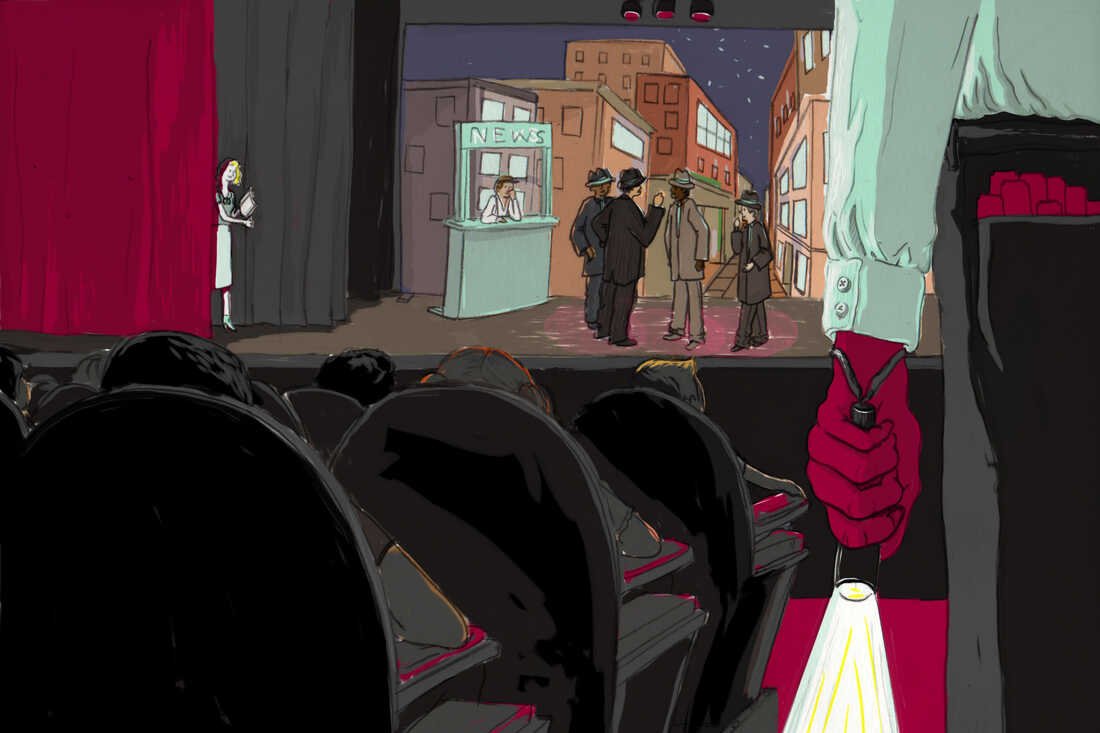
The lights dim, the orchestra swells, and a hush falls over the audience. On stage, high school students, transformed by costume and character, pour their hearts into a performance that might just be the most defining experience of their academic lives. Far more than just an extracurricular activity, the educational benefits of high school musicals extend deep into developing essential life skills, shaping young individuals in profound ways that resonate long after the final curtain call.
These productions are vibrant crucibles where art, discipline, and community merge. They challenge students to step outside their comfort zones, embrace collaborative problem-solving, and cultivate a sense of responsibility and dedication few other activities can rival. It's where abstract lessons become tangible triumphs, and where the stage becomes a powerful classroom for life.
At a Glance: Key Takeaways
- Holistic Skill Development: Musicals cultivate a unique blend of acting, singing, dancing, and technical aptitudes.
- Confidence & Self-Esteem: Performing in front of an audience builds poise, public speaking skills, and self-assurance.
- Teamwork & Collaboration: Students learn to work effectively across diverse roles, from performers to technical crew.
- Creative Expression: Musicals foster imagination, artistic interpretation, and problem-solving through innovative thinking.
- Cultural & Historical Understanding: Engaging with diverse narratives broadens students' perspectives on history and society.
- Discipline & Time Management: The demanding rehearsal schedule teaches commitment, punctuality, and balancing multiple responsibilities.
Beyond the Footlights: Cultivating Invaluable Strengths
Participating in a high school musical is an immersive experience that touches every facet of a student’s growth. It's a journey from auditions to bows, packed with challenges and breakthroughs that forge character and competence.
Forging Confidence and Self-Belief
One of the most immediate and profound impacts of being in a musical is the surge in a student's confidence. Stepping onto a stage, memorizing lines, hitting that high note, or executing a complex dance move in front of an audience requires immense courage. Every successful rehearsal, every positive critique, and especially the roar of applause on opening night, validates effort and builds genuine self-esteem.
This isn't just about overcoming stage fright; it's about developing a resilient belief in one's own capabilities. Students learn to project their voice, articulate clearly, and command attention – skills that translate directly to public speaking, presentations, and even job interviews. They discover that they can push past perceived limits, leading to a profound sense of accomplishment and a readiness to tackle new challenges in all areas of their lives.
Mastering the Art of Collaboration
Musicals are inherently collaborative. No single star can carry an entire production; success hinges on the harmonious efforts of dozens, if not hundreds, of individuals. From the lead roles to the chorus, the backstage crew, the lighting technicians, the sound engineers, the costume designers, and the orchestra, every person plays a vital part.
Students learn to communicate effectively, negotiate creative differences, and support one another towards a shared vision. They understand the interdependence of roles – how a missed lighting cue can impact a scene, or how a costume malfunction requires quick thinking from multiple people. This experience fosters empathy, mutual respect, and the ability to function as a cohesive unit, lessons crucial for any future team environment, be it in college, career, or community. It’s a powerful lesson in shared responsibility and mutual support, demonstrating that the whole is truly greater than the sum of its parts.
Sharpening a Diverse Skill Set
High school musicals provide a unique opportunity for students to hone a wide array of practical and artistic skills.
- Performance Skills: Naturally, acting, singing, and dancing are refined through rigorous practice. Vocalists learn breath control, pitch, and projection. Actors delve into character development, emotional expression, and stage presence. Dancers master choreography, rhythm, and spatial awareness.
- Technical Skills: Behind the scenes, students gain invaluable experience in technical theater. This includes operating sound and lighting boards, designing and building sets, managing props, creating costumes, and even stage management. These skills involve problem-solving, carpentry, electrical work, textile arts, and project management – practical aptitudes with real-world applications.
- Discipline and Dedication: The demanding rehearsal schedule requires immense commitment. Students learn the importance of punctuality, consistent effort, and practice, practice, practice. They learn to balance academic responsibilities with extracurricular commitments, developing strong time management and organizational skills.
Igniting Creativity and Critical Thinking
Musicals are a canvas for creative expression. Students are encouraged to interpret characters, experiment with different acting choices, and contribute their unique artistic perspectives. Beyond performance, creativity shines in set design, costume choices, and even problem-solving during rehearsals when an unexpected challenge arises.
They learn to think critically about character motivations, plot development, and thematic messages. How would this character react? What does this song truly convey? How can we visually represent this abstract idea? This constant engagement with creative challenges strengthens imaginative thinking and encourages innovative solutions, valuable assets in any academic or professional field.
Fostering Cultural Appreciation and Empathy
Many high school musicals are based on significant literary works, historical events, or explore complex social issues. Performing in a show like West Side Story, for example, immerses students in themes of love, prejudice, and societal conflict, set against a backdrop of cultural tension. Similarly, Les Misérables delves into redemption and social justice, while Into the Woods explores the consequences of desire through interwoven fairy tales.
Engaging with these narratives broadens students' understanding of diverse cultures, historical contexts, and human experiences. They develop empathy by stepping into the shoes of characters facing challenges vastly different from their own, gaining a deeper appreciation for the complexities of the world around them.
Curating the Magic: Choosing the Right Musical
The foundation of a successful high school musical lies in selecting the right production. This isn't just about popularity; it's about matching the show to the unique strengths and needs of your student body and school community.
Key Factors to Consider:
- Cast Size: Do you have a large ensemble ready to shine, or a smaller, more intimate group? Some musicals require massive choruses, while others focus on a tight-knit core.
- Vocal Requirements: Assess the vocal range and experience of your student singers. Are there challenging harmonies, powerful solos, or specific vocal styles required?
- Themes that Resonate: Choose themes that are age-appropriate, engaging for teenagers, and offer opportunities for meaningful discussion and exploration within your school community.
Popular Choices and Their Lessons: - "West Side Story": A timeless classic, this modern retelling of "Romeo and Juliet" explores themes of love, rivalry, and social issues. Its sophisticated music by Leonard Bernstein and lyrics by Stephen Sondheim offer a deep dive into character interpretation and complex vocal arrangements.
- "Into the Woods": Stephen Sondheim's intricate work interweaves classic fairy tales, exploring the darker sides of desire, sacrifice, and the consequences of actions. It's a challenging but rewarding show that encourages nuanced acting and vocal precision.
- "Rent": A rock musical that addresses themes of love, loss, and the struggles of young artists. Its contemporary nature resonates strongly with teenagers and provides opportunities to explore modern social issues and diverse relationships.
- "Grease": A lighter, energetic option that portrays 1950s teenage life with catchy songs and memorable dance numbers. It’s fantastic for building ensemble energy and audience engagement, while exploring themes of identity and peer pressure.
- "Les Misérables": Based on Victor Hugo's epic novel, this musical deals with profound themes of redemption, sacrifice, and social justice. Its powerful score and dramatic storytelling offer significant challenges and rewards for both performers and technical crew.
For educators and students looking for inspiration, it's worth taking the time to explore musicals for high school productions that align with their talent pool and creative aspirations.
Orchestrating Success: Tips for a Flourishing Production
Bringing a musical to life requires meticulous planning, dedicated effort, and a supportive environment. It's a massive undertaking, but with the right approach, it can be an incredibly rewarding experience for everyone involved.
Blueprinting Your Production: Plan Thoroughly
A detailed production timeline is your best friend. Map out everything from audition dates to final performances, including:
- Auditions and Casting: Clearly communicate expectations and provide constructive feedback.
- Rehearsal Schedule: Set a consistent, manageable schedule that respects students' academic commitments. Build in buffer time for unexpected delays.
- Technical Deadlines: Coordinate set construction, costume fittings, lighting design, and sound checks.
- Role Clarity: Ensure everyone, from leads to the smallest crew member, understands their responsibilities and how their work contributes to the whole.
Nurturing a Positive and Inclusive Environment
The best musicals emerge from a space of psychological safety and mutual respect.
- Encourage Risk-Taking: Create an atmosphere where students feel comfortable trying new things, making mistakes, and learning from them without fear of judgment.
- Celebrate Achievements: Recognize the effort and progress of every student, not just the standout performers. Acknowledge both big and small victories.
- Promote Inclusivity: Ensure all students, regardless of experience level, feel welcome and have opportunities to contribute. Offer varied roles and mentorship opportunities.
Elevating Skills Through Workshops
To enhance the learning experience and production quality, consider incorporating workshops led by experienced professionals.
- Guest Artists: Bring in local actors, singers, dancers, or technical experts to offer specialized training sessions.
- Skill-Specific Training: Focus workshops on areas like stage combat, improvisation, vocal health, character development, or advanced technical skills. These focused sessions can dramatically improve student capabilities.
Engaging the Wider Community
A high school musical isn't just for the school; it's an event for the entire community.
- Local Partnerships: Build relationships with local businesses for sponsorships, donations of materials, or advertising space in your program.
- Volunteer Support: Tap into parent and community volunteers for tasks like costume creation, set building, front-of-house support, and marketing.
- Promote Local Talent: Highlight students’ achievements and involve local media to generate excitement.
Navigating the Obstacles: Challenges and Solutions
Even the most well-planned musical can face hurdles. Anticipating common challenges and having proactive solutions in place is key to a smooth production.
- Budget Constraints:
- Solution: Prioritize spending on essentials. Get creative with set design and costumes by renting, borrowing, or repurposing materials. Organize fundraising efforts such as bake sales, car washes, or crowdfunding campaigns. Seek local business sponsorships.
- Limited Resources:
- Solution: Innovate! Maximize the use of available rehearsal space and equipment. Explore partnerships with local community theaters or colleges for access to specialized gear or expertise. Tap into the skills of faculty, parents, and community members as mentors.
- Time Management:
- Solution: Establish and stick to a clear, realistic schedule from the outset. Promote punctuality and efficient use of rehearsal time. Encourage students to communicate conflicts early. Emphasize the importance of balancing academics with extracurriculars, offering resources for support if needed.
- Talent Diversity:
- Solution: Foster an inclusive audition process that encourages students of all experience levels to participate. Offer training opportunities and workshops to help students develop new skills. Consider double-casting roles or creating additional ensemble numbers to involve more students.
Spreading the Word: Marketing Your Masterpiece
Once the show is coming together, it's time to let the world know! Effective marketing ensures your hard work reaches an appreciative audience.
- Social Media Blitz: Leverage platforms like Facebook, Instagram, and TikTok. Share behind-the-scenes glimpses, cast interviews, rehearsal snippets, and countdowns. Use engaging visuals and relevant hashtags.
- Eye-Catching Posters and Flyers: Design attractive materials with all essential details: dates, times, ticket prices, and a compelling synopsis. Distribute them widely throughout the school, local businesses, and community centers.
- Engage Local Media: Contact local newspapers, radio stations, and online community boards. Send press releases, invite journalists to a dress rehearsal, or arrange interviews with the director and lead students. A feature story can generate significant buzz.
- Word-of-Mouth Campaigns: The most organic marketing often comes from within. Encourage cast, crew, students, and faculty to passionately promote the musical to their friends, family, and networks. Personal recommendations are powerful.
The Encore: Lasting Legacies and Lifelong Lessons
High school musicals are more than just a series of performances; they are transformative journeys that leave an indelible mark on students. The educational benefits of high school musicals extend far beyond the stage, providing a unique vehicle for personal growth, artistic expression, and deep community engagement.
Students who participate walk away with a richer understanding of themselves, new and refined skills, a strengthened sense of teamwork, and enduring memories. They learn resilience, adaptability, and the profound satisfaction of contributing to something truly special. These experiences build not just performers, but well-rounded, confident, and capable individuals ready to face the complexities of the world with creativity and conviction. Through careful planning, a supportive environment, and a commitment to student development, high school musicals will continue to be a cornerstone of valuable education for generations to come.